

Article: Small but Mighty: The Strategy That Saved My Business During the Lean Months
Small but Mighty: The Strategy That Saved My Business During the Lean Months
There is a moment every business owner knows. The moment when the big sales stop coming in, the inbox goes quiet, and you start questioning everything you have built. I know that moment well. I have sat in it, stared at it, and decided I was not going to let it win.
What came out of that season was one of the most powerful strategies I have ever used in my business. I call it the Small Piece Strategy. And it changed everything.
It Started with a Simple Observation
When things slowed down, I started paying attention. Not to what was not working, but to how people were shopping. What I noticed was this — people hesitate before spending a large amount at once. There is a psychological pause that happens. A moment of "is this worth it?" that can stop a purchase before it even begins.
But smaller items? People pick those up without thinking twice. A beautiful piece at a lower price point feels accessible. It feels like a treat rather than a commitment. And that small "yes" is worth more than you think.
So I leaned into it. I created smaller items, lower price points, pieces that felt easy to say yes to. And something interesting started to happen.
The Gift Effect
Here is what I did not fully anticipate — gifting.
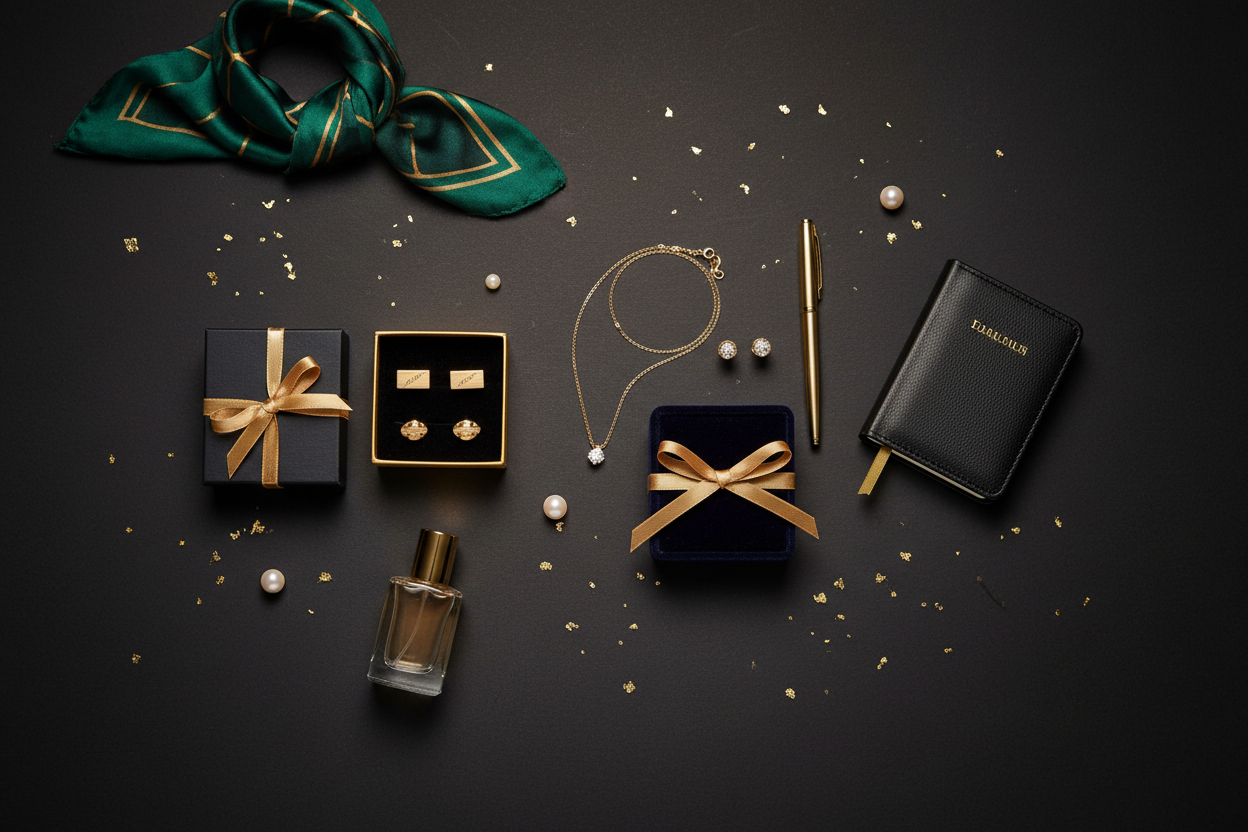
When you have beautiful, well-crafted smaller pieces, people do not just buy one. They buy two. They buy three. They think of a friend, a sister, a colleague. They think of a birthday coming up, a celebration, a thank you. They start building a little collection in their cart without even realizing it.
Suddenly, a customer who came in thinking they would spend a small amount is leaving with a basket full of pieces. The individual prices felt light. But the total? The total was exactly where I needed it to be.
This is the magic of the Small Piece Strategy. You are not tricking anyone. You are simply making it easier for people to say yes — and then giving them more reasons to keep saying yes.
Why This Works (The Psychology Behind It)
There is real psychology behind this. When something is priced lower, the perceived risk drops. The customer does not need to think as hard, justify as much, or wait as long. The decision becomes emotional rather than analytical — and emotional decisions happen faster.
When you combine that with the gifting mindset — which is already generous and feel-good by nature — you create a shopping experience that feels joyful. People are not spending, they are giving. And giving feels good. So they give more.
The result is a higher average order value, not because you pushed anyone, but because you made it natural and easy for them to spend more.
What the Lean Months Taught Me
I will be honest with you. The lean months were hard. There were days I wondered if I had made the right choices, built the right things, gone in the right direction. Doubt has a way of showing up exactly when you can least afford it.
But those months also gave me something I could not have found any other way — clarity. When the noise of busy seasons quiets down, you are forced to think differently. You cannot rely on momentum. You have to rely on strategy.
The Small Piece Strategy was born in that quiet. It was not a grand plan. It was a simple observation, a small shift, and a decision to try something different. That is often how the best ideas arrive — not in the loud moments, but in the still ones.
How You Can Apply This
You do not have to be in a lean season to use this strategy. In fact, the best time to build it is before you need it.
Here is how to think about it:
Create entry points. What is the smallest, most beautiful version of what you offer? Something that feels like a gift, looks like a luxury, and is priced so that saying yes is easy. That is your entry point product.
Think in collections. Design your smaller pieces so they work together. When items complement each other — in theme, in aesthetic, in purpose — customers naturally want more than one. They are not buying a product, they are building a set.
Position for gifting. Use your language, your packaging, your presentation to speak to the gifting mindset. "Perfect for gifting." "Give the gift of luxury." "Treat someone you love." These are not just words — they are permission for your customer to spend more, guilt-free.
Let the basket grow naturally. Do not push. Do not pressure. Simply make it easy and beautiful to keep adding. The right customer will do the rest.
The Lesson I Carry Forward
Every season in business teaches you something. The abundant seasons teach you gratitude and scale. The lean seasons teach you creativity and resilience.
The Small Piece Strategy is one of the greatest lessons my lean months gave me. It reminded me that success is not always about the biggest sale. Sometimes it is about the smallest yes — repeated, multiplied, and built into something extraordinary.
If you are in a quiet season right now, I want you to know this: the strategy that will carry your business forward might be sitting right in front of you, waiting for you to slow down enough to see it.
Look closer. Think smaller. And watch what grows.
Niisha Sood is the founder of Divine Luxury Code — a consulting house dedicated to helping you build a life and business of true luxury. Book your consulting session at niishasood.com


Leave a comment
This site is protected by hCaptcha and the hCaptcha Privacy Policy and Terms of Service apply.